Create functional outdoor zones with smart design strategies that add privacy, flow, and comfort while making open-concept backyards easier to enjoy.
Open-concept backyards have become increasingly popular because they offer flexibility and a seamless connection between different outdoor activities. However, while expansive outdoor spaces can feel inviting, they can also lack structure. Without clear boundaries, a backyard may seem unfinished or fail to support multiple activities comfortably.
Understanding how to create defined spaces in open-concept backyards allows homeowners to maximize both functionality and aesthetics. By thoughtfully organizing different areas, you can create a backyard that feels purposeful while maintaining the openness that makes the design appealing in the first place.
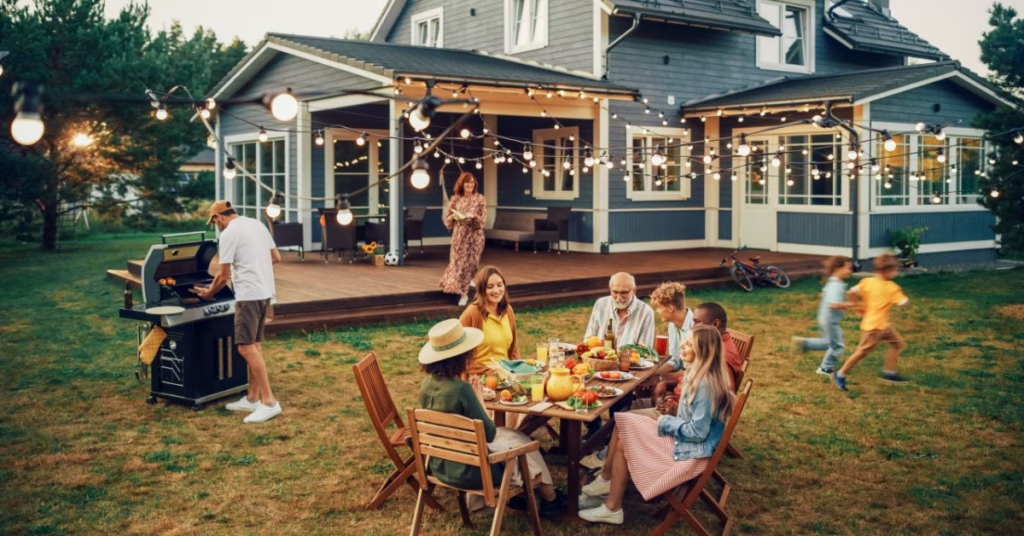
Start With a Plan for How the Space Will Be Used
Before adding any physical dividers or landscaping features, consider how you want the backyard to function. Most outdoor spaces serve several purposes simultaneously. Families may want room for dining, entertaining, relaxing, gardening, and children’s activities.
Identifying these priorities helps determine how much space each area requires and how they should relate to one another. For example, a dining area might be positioned close to the home for easy kitchen access, while a lounge area may benefit from a quieter location farther from household traffic.
Thinking about usage patterns first prevents design decisions that create awkward layouts or underutilized spaces.
Use Hardscaping to Establish Boundaries
One of the simplest ways to define outdoor zones is through hardscaping. Changes in materials naturally signal a transition from one area to another without creating visual clutter.
A patio made from pavers can designate a dining space, while a gravel section might serve as a fire pit gathering area. Decorative stone walkways can guide movement throughout the yard and connect individual spaces.
Different textures and materials create visual distinction while preserving the open feel that many homeowners desire. These subtle cues help visitors intuitively understand how each section of the backyard is intended to be used.
Hardscaping also offers long-term durability and requires less maintenance than many alternative boundary solutions.
Create Outdoor Rooms With Landscaping
Plants are one of the most versatile tools for defining backyard spaces. Strategic landscaping can separate areas without making the yard feel enclosed.
Tall ornamental grasses, shrubs, hedges, and layered garden beds create natural divisions between functional zones. Unlike fences or walls, plant-based boundaries soften transitions and blend seamlessly into the landscape.
For example, a row of evergreen shrubs can provide privacy around a seating area, while flowering perennials can frame a pathway leading to another section of the yard.
The added benefit of landscaping is that it contributes color, texture, and seasonal interest throughout the year.
Add Vertical Elements for Visual Separation
Vertical features are particularly effective when designing open-concept outdoor spaces. They help establish distinct areas without occupying valuable ground space.
Pergolas, trellises, privacy screens, and decorative panels can define outdoor rooms while maintaining airflow and visibility. These elements create a sense of enclosure without making the backyard feel smaller.
Many homeowners also incorporate architectural features such as decorative block walls to introduce both style and function. Design inspiration often comes from examples showing the materials and planning involved in building a breeze block wall, which demonstrate how patterned masonry can provide separation while still allowing light and airflow to pass through.
Because vertical elements draw the eye upward, they can make a backyard feel larger while simultaneously creating more intimate spaces.
Define Activity Zones With Furniture Placement
Furniture arrangement plays a major role in creating structure. Even without physical barriers, strategic placement can establish clear distinctions between different outdoor functions.
A dining table immediately signals a gathering area for meals, while lounge chairs grouped around a fire feature indicate a relaxation zone. Positioning furniture in intentional clusters naturally separates activities and encourages people to use each area as intended.
Outdoor rugs can further reinforce these boundaries by visually anchoring seating arrangements and creating the impression of separate rooms.
The key is to avoid scattering furniture throughout the yard. Grouping pieces together creates cohesion and helps each area serve a specific purpose.
Incorporate Changes in Elevation
Another effective strategy is to use elevation changes to define spaces. Even modest variations in height can significantly impact how a backyard is perceived.
Raised patios, sunken seating areas, retaining walls, and elevated garden beds all create natural separation between zones. These transitions help distinguish one area from another while adding visual interest to the landscape.
Elevation changes can also improve functionality. For example, a raised dining area may offer better views, while a lower fire pit area creates a cozy atmosphere for evening gatherings.
When designed properly, varying heights can make a backyard feel more dynamic and intentional.
Use Lighting to Establish Atmosphere
Outdoor lighting serves more than a practical purpose. It also helps define spaces after dark.
Different lighting styles can reinforce the identity of each backyard zone. String lights may create a welcoming dining environment, while pathway lighting guides movement throughout the yard. Accent lighting can highlight landscape features, architectural elements, or garden beds.
Layered lighting allows each space to maintain its own character while contributing to a cohesive overall design.
By treating lighting as part of the planning process rather than an afterthought, homeowners can extend the usability of their outdoor spaces well into the evening.
Balance Privacy and Openness
One of the biggest challenges when designing an open-concept backyard is finding the right balance between privacy and openness. Too many barriers can make the yard feel fragmented, while too few can leave it feeling undefined.
The most successful designs use a combination of visual cues rather than relying on a single solution. Landscaping, hardscaping, furniture placement, and architectural features work together to create separation without completely isolating each area.
Partial screening often works better than full enclosure. Features that allow visibility between spaces help preserve the open feeling while still creating a sense of distinction.
This balance ensures the backyard remains inviting, functional, and visually connected.
Consider Traffic Flow
A well-designed backyard should encourage natural movement. Defined spaces should feel connected rather than isolated.
Walkways, stepping stones, and sightlines help guide people from one area to another. Avoid placing obstacles that interrupt circulation or create awkward dead ends.
When planning zones, think about how guests will move between dining areas, seating spaces, gardens, and recreational features. Smooth transitions make the entire backyard feel more cohesive and easier to navigate.
Traffic flow becomes especially important when entertaining larger groups, as it prevents congestion and improves overall comfort.
Making Every Area Feel Intentional
Creating structure within a large outdoor area doesn’t require sacrificing openness. In fact, thoughtful zoning often makes a backyard feel larger because every section serves a clear purpose.
Whether through landscaping, hardscaping, furniture placement, vertical elements, or elevation changes, homeowners have numerous tools available to create functional outdoor environments. By focusing on flow, usability, and visual balance, it’s possible to design spaces that feel distinct while remaining connected.
When homeowners understand how to create defined spaces in open-concept backyards, they can transform a simple yard into a collection of inviting outdoor rooms that support everything from quiet relaxation to large social gatherings. The result is an outdoor space that feels organized, comfortable, and tailored to the way people actually live.