Create a home that grows with your lifestyle using flexible design, smart upgrades, and accessible features that improve comfort, function, and lasting value.
A home should support your lifestyle not only today but also years into the future. Families grow, children become teenagers, careers evolve, and many people eventually welcome aging parents or plan to remain in their homes throughout retirement. These changes often require more than new furniture or fresh paint. They call for thoughtful design choices that make a home flexible enough to accommodate different stages of life.
Planning ahead can save time, reduce renovation costs, and create a living space that remains comfortable through every transition. How to create a home that adapts to changing needs begins with choosing improvements that increase functionality while maintaining an attractive, welcoming environment.
Plan Flexible Living Spaces
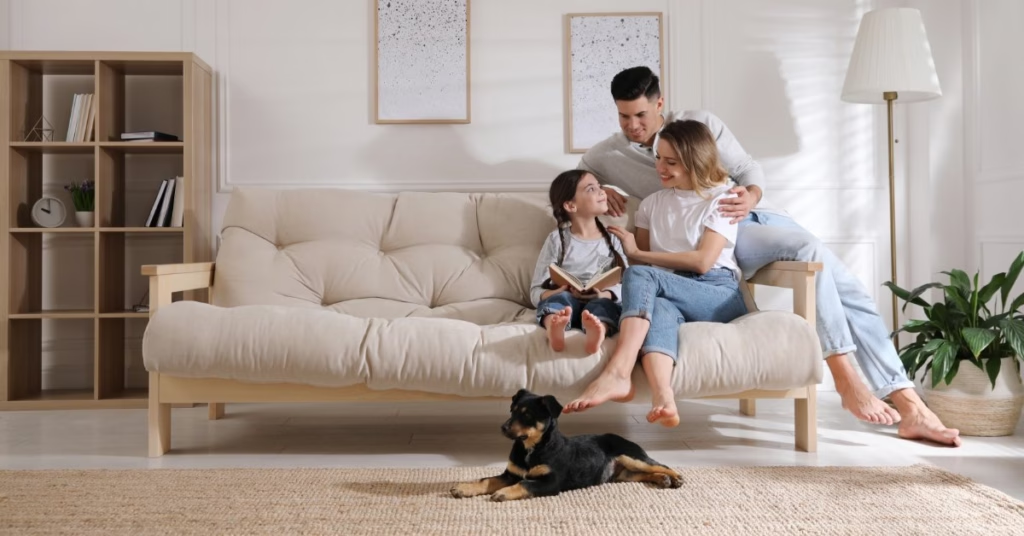
One of the most effective ways to future-proof a home is by designing rooms that can serve multiple purposes. A guest bedroom may become a nursery, then later transform into a home office or hobby room. A finished basement can function as a playroom before evolving into a private suite for older family members or returning college graduates.
Instead of assigning every room a permanent purpose, consider layouts that can be reconfigured with minimal effort. Built-in storage, movable furniture, and open floor plans make it easier to adjust your home without major remodeling projects.
Even smaller homes can benefit from flexible design. Folding workstations, multifunctional furniture, and creative storage solutions help maximize available space while making everyday life more convenient.
Think Beyond Current Accessibility Needs
Accessibility is often associated with aging, but thoughtful design benefits everyone. Wider doorways make it easier to move furniture. Lever-style door handles simplify everyday use. Walk-in showers provide convenience for people of all ages, from young children to older adults.
Including accessible features before they become necessary often costs less than retrofitting a home later. Planning for future mobility needs doesn’t require sacrificing aesthetics. Many modern products combine elegant design with practical functionality.
Bathrooms are an especially important area to consider because they experience frequent daily use and naturally become higher-risk spaces as people age. Incorporating bathroom safety features to include in your bathroom renovation can help homeowners create spaces that remain both stylish and functional for years to come.
Invest in Quality Materials
Durability becomes increasingly important when planning for the future. Flooring, countertops, cabinetry, and fixtures that withstand years of use reduce maintenance costs while keeping the home looking its best.
Luxury vinyl flooring, engineered hardwood, quartz countertops, and high-quality cabinetry all offer longevity without requiring excessive upkeep. Choosing products known for durability minimizes the likelihood of premature replacement.
When selecting finishes, neutral colors and timeless styles often age more gracefully than trendy designs. While trends come and go, classic materials remain appealing through changing tastes and future resale.
Design for Changing Family Dynamics
Life rarely follows a predictable path. Families may welcome new children, accommodate elderly relatives, or transition to remote work. Homes that can evolve alongside these changes offer greater comfort and practicality.
Open kitchens that connect to living spaces encourage family interaction while making entertaining easier. Additional storage helps accommodate growing households, while flexible bonus rooms allow homeowners to adjust to new routines without relocating.
Even outdoor living spaces can become more versatile through covered patios, adaptable seating areas, and landscaping designed for both relaxation and entertaining.
By anticipating possible future scenarios, homeowners avoid expensive renovations every time life changes.
Prioritize Storage Throughout the Home
One of the most common frustrations homeowners experience is simply running out of storage. As families grow, belongings accumulate, making organization increasingly difficult.
Built-in shelving, oversized closets, mudrooms, pantry expansions, and under-stair storage all contribute to a home that remains functional despite changing needs.
Garage organization systems also create additional flexibility by freeing space for hobbies, workshops, fitness equipment, or seasonal storage.
Thoughtful storage solutions reduce clutter while making daily routines more efficient, regardless of household size.
Prepare for Technology Changes
Smart home technology continues evolving rapidly. Homes built with future upgrades in mind remain relevant longer and accommodate new innovations more easily.
Installing additional electrical outlets, structured wiring, USB charging locations, and strong wireless connectivity creates a foundation for future technology without requiring major construction later.
Smart lighting, programmable thermostats, security systems, and automated window coverings improve convenience while increasing energy efficiency. Because technology changes frequently, selecting systems that allow easy upgrades provides long-term flexibility.
Technology should enhance daily living without making future modifications unnecessarily complicated.
Focus on Energy Efficiency
Changing needs often include changing budgets. Energy-efficient improvements reduce monthly expenses while increasing overall comfort.
Better insulation, high-performance windows, efficient HVAC systems, and Energy Star appliances help lower utility bills year after year. These upgrades also improve indoor comfort by maintaining more consistent temperatures throughout the home.
Solar-ready electrical systems, improved ventilation, and water-saving plumbing fixtures further prepare homes for future sustainability goals.
Many energy-efficient improvements also increase resale value by appealing to environmentally conscious buyers.
Make Outdoor Spaces More Functional
As lifestyles evolve, outdoor living areas often become extensions of the home. Families entertain more frequently, work remotely from patios, or simply spend additional time enjoying their property.
Creating adaptable outdoor spaces provides flexibility for many different activities. Covered patios offer shade during summer months while remaining usable during light rain. Adjustable lighting supports evening gatherings, while durable outdoor furniture withstands years of use.
Accessible walkways, low-maintenance landscaping, and thoughtful drainage also improve long-term usability.
Outdoor improvements often deliver some of the highest returns in terms of both enjoyment and property value.
Plan Renovations With Long-Term Value in Mind
Not every remodeling project provides equal long-term benefits. Prioritizing improvements that increase both usability and durability helps homeowners maximize their investment.
Kitchen updates, bathroom renovations, improved flooring, additional storage, and energy-efficient systems consistently contribute to lasting value. These projects support changing lifestyles while remaining attractive to future buyers.
Rather than chasing short-lived design trends, homeowners benefit from choosing practical upgrades that continue serving their needs for decades.
This long-term perspective often results in fewer renovations overall and lower ownership costs.
Create a Home That Evolves With You
Every household changes over time. Children grow older, careers shift, retirement arrives, and priorities evolve. A home designed with flexibility in mind allows these transitions to happen with less stress and fewer costly renovations.
How to create a home that adapts to changing needs isn’t about predicting every future circumstance. It’s about building versatility into your home through smart layouts, durable materials, accessible design, efficient technology, and thoughtful planning. When each improvement supports both current comfort and future possibilities, your home becomes a place that continues meeting your needs through every stage of life.