Create a bedroom your child will love with thoughtful details that reflect their personality and make their personal space feel truly special for years ahead.
A child’s bedroom has the potential to become one of the most personal spaces in the entire home. It is where imagination develops, and familiar details create comfort. With the right approach, even a simple room can feel completely new.
Creating a dream bedroom for your kids does not require an extravagant remodel. Thoughtful color choices, useful furniture, personal details, and enough open space can reshape how a child experiences the room each day. Every decision should connect to the child rather than follow a design trend that may quickly lose its appeal.
The best rooms also have room to change. Children develop new interests fast, and their surroundings should have enough flexibility to adapt without another complete transformation. Start with a strong foundation, then let personality give the bedroom its character.
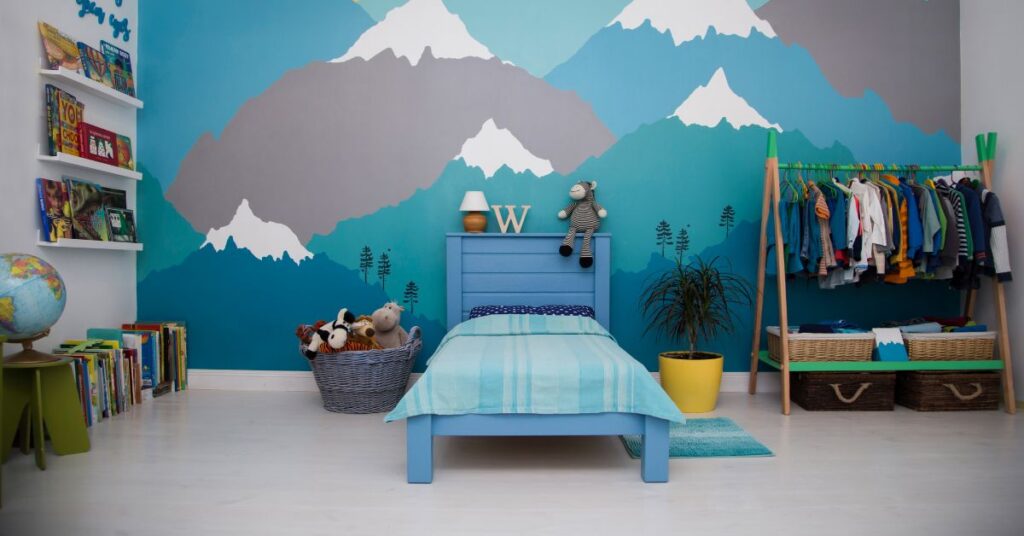
Let Personality Shape the First Ideas
A dream bedroom should feel like it belongs to the child from the moment the door opens. Favorite colors, hobbies, sports, stories, or creative interests can offer direction without controlling every part of the design. Ask for input before major choices take shape.
Children often notice details adults might overlook. A particular color may remind them of a favorite place, or a certain theme may connect with something they truly love. Those personal connections can give the room more meaning than any fashionable design concept.
Parents can still provide balance and structure. Instead of allowing one interest to cover every surface, use subtle references that capture its character without making future changes difficult. The result feels personal without becoming overly specific.
Give Color a Clear Purpose
Color can change the atmosphere almost immediately. A soft palette may make the bedroom feel restful, whereas a stronger shade can give one area greater personality and visual depth. Consider the natural light before settling on a final choice.
Walls do not need several bold shades to feel interesting. One distinctive color can establish character when furniture and decorative details support it naturally. Keeping the surrounding elements more restrained gives the room a polished sense of balance.
The child should still have a voice in the final palette. If a favorite color feels too intense across every wall, find a subtler version or reserve that shade for a smaller area. This compromise respects personal taste without allowing color to overwhelm the bedroom.
Prepare the Walls for a Fresh Look
Fresh paint can completely alter a familiar bedroom, but neat preparation makes the result feel far more polished. Small wall flaws become easier to notice once a new shade covers the surface. Address them before the first coat goes on.
Trim, doors, ceilings, and nearby surfaces also deserve proper protection. Learning how to choose the right 3M masking tape for a project will help create neat borders and protect areas outside the paint zone. Care at this stage can make decorative details appear far more intentional.
Paint can also provide character without elaborate artwork. A simple accent area or carefully placed color detail can give a plain wall more personality. Keep the idea connected to the broader room design for a natural visual effect.
Choose Furniture That Respects the Room
Oversized furniture can make a spacious bedroom feel unexpectedly small. Before selecting a bed or desk, consider how much open floor area remains once each piece occupies its planned position. Movement should always feel easy and natural.
The bed often becomes the visual anchor. Its placement can influence where every other major element belongs, from a nearby table to a study area across the room. Start there and allow the rest of the layout to develop around it.
Furniture should also suit the child rather than simply fill available space. A huge desk has little value when a smaller surface supports schoolwork comfortably and leaves more room for play. Proportion often matters more than the number of pieces in the bedroom.
Make the Bed Feel Like a Retreat
A bedroom can look imaginative and still feel calm enough for rest. The bed provides an opportunity to bring those two ideas together through comfortable fabrics and details that reflect personal taste. It should invite rest rather than disappear beneath excessive decor.
Bedding can introduce character without permanently changing the room. A new comforter can shift the atmosphere quickly when a child develops a different favorite color or interest. This flexibility keeps larger design choices relevant for much longer.
The surrounding area should remain relatively calm. Too many decorative pieces near the bed can make a restful zone feel visually busy. Give favorite objects enough space to stand out instead of making each one compete for attention.
Create Room for Imagination
Children need places where their ideas can take shape. A small section of the bedroom can support school projects or imaginative play without requiring a large amount of space. What matters most is that the area feels intentional.
Natural light can make such a space more pleasant during daytime use. A desk near a suitable window may feel inviting without becoming disconnected from the rest of the room. Keep the arrangement simple enough for the area to serve different interests later.
Personal creations can also become part of the room itself. A favorite piece of artwork has far more emotional value than generic wall decor when it represents something the child made. Give those pieces space to become meaningful visual features.
Let Light Change the Mood
Sunlight can give even a modest bedroom a bright and welcoming character. Keep tall furniture away from windows when possible to preserve natural illumination across the room. The difference can feel dramatic without any major renovation.
Window treatments can soften strong daylight and contribute to the overall design. Their fabric and texture can support the established palette without demanding attention. They should feel connected to the room rather than appear as an unrelated finishing touch.
Nighttime requires a different atmosphere. Soft bedside light can make the room feel comfortable before sleep, whereas stronger illumination may suit homework or creative projects earlier in the evening. Light should adapt to how the bedroom changes throughout the day.
Design With the Future in Mind
Children rarely keep the same interests forever. A room based entirely around one character or hobby may feel perfect now but become outdated surprisingly fast. Flexible design choices give the bedroom space to mature.
A neutral foundation can support dramatic personality without limiting future possibilities. Furniture can remain useful even after wall colors and decorative accents change. This approach makes each future refresh feel easier and less disruptive.
Do not feel compelled to fill every empty corner. Open space has value because it gives the space room to adapt as new interests and possessions become part of daily life. The bedroom can evolve naturally rather than require a complete reset.
Creating a child’s dream bedroom does not come from expensive furniture or elaborate decor. It develops from thoughtful choices that reflect personality and create a comfortable environment for rest, creativity, and everyday life. Each detail should feel connected to the child who calls the room their own.
Start with a flexible foundation and allow personal character to emerge naturally. Color can establish the atmosphere, meaningful details can provide identity, and careful use of space can keep the bedroom comfortable as needs change. The finished room should feel special without appearing forced.