Are you struggling to find the right ingredients for your weight-loss diet? We can help! Incorporate these fruits and veggies into your diet for better results.
Food should never feel like punishment, even when you want to eat lighter. A good plate can still feel colorful, comforting, crunchy, juicy, spicy, and deeply satisfying. That is where fruits and vegetables step in like the reliable friends they are. They bring volume, freshness, fiber, water, vitamins, minerals, and plenty of flavor without making meals feel heavy.
The best part is that you do not need fancy ingredients or complex rules. Below, we’ll outline the fruits and veggies to incorporate into your weight-loss diet for satisfying and healthy meals.
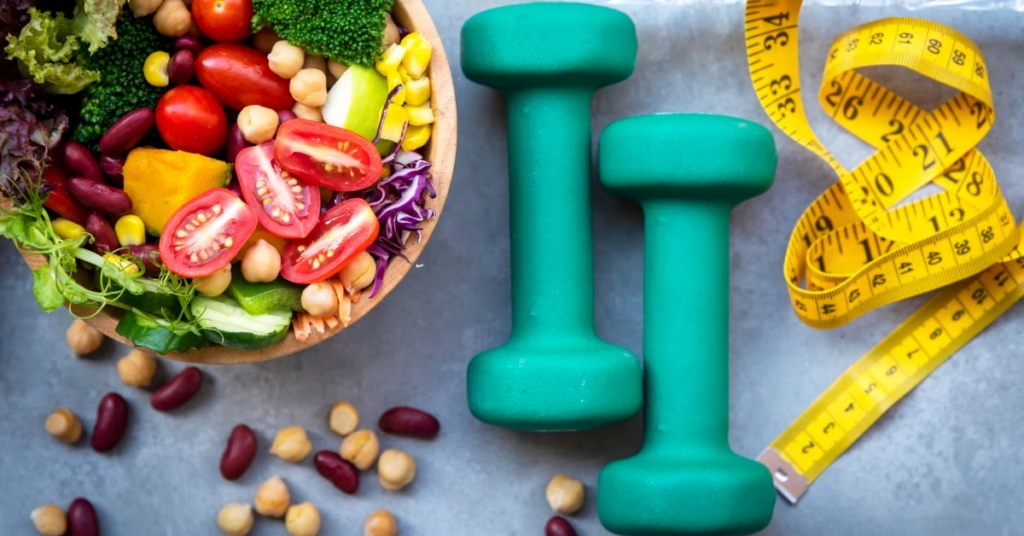
Why Fruits and Veggies Work So Well
Fruits and vegetables help because they add bulk to meals without packing in too many calories. Many of them contain fiber and water, which can help you feel fuller for longer and reduce the urge to keep nibbling after a meal.
They also make food more exciting. Think of the difference between plain curd and a bowl of curd topped with cucumber, pomegranate, roasted cumin, and mint. Or a regular sandwich compared with one layered with lettuce, tomato, onion, grated carrot, and peppers. Same meal idea, much better texture, and a lot more joy.
Leafy Greens for Everyday Volume
Spinach, amaranth, lettuce, mustard greens, methi, kale, and bok choy deserve a regular spot in your kitchen. Leafy greens are light, versatile, and easy to add to almost anything. You can fold spinach into an omelette, toss lettuce into a wrap, stir methi into dal, or add bok choy to a noodle bowl.
These greens work especially well when you want a bigger plate without turning the meal into something too rich. Green leafy vegetables are part of the group of non-starchy vegetables that can support weight control, partly because they have a lower glycemic load and help keep appetite in check.
How To Use Them Without Getting Bored
Do not treat leafy greens like a sad side dish. Give them personality. Add garlic, lemon, green chilli, sesame, roasted peanuts, mustard seeds, or a spoon of hung curd dressing. For Indian meals, palak can go into cheela batter, methi can brighten up thepla, and lettuce can turn leftover tandoori paneer or grilled chicken into a fresh wrap.
For a travel-style meal, try a Thai-inspired salad with greens, cucumber, herbs, lime, and a light peanut dressing. It feels refreshing, looks beautiful, and brings that holiday café energy to your lunch table.
Cucumbers for Crunch and Hydration
Cucumber is the quiet hero of weight-friendly eating. It is crisp, cooling, easy to find, and almost effortless to prepare. Slice it into salads, add it to raita, layer it into sandwiches, or snack on it with chaat masala and lemon.
Because cucumbers contain plenty of water, they make meals feel fresh and filling. They also pair well with heavier dishes. If your lunch includes rice, curry, or paratha, a cucumber-based kachumber on the side can balance the plate beautifully.
Apples and Pears for Snack-Time Fullness
Apples and pears are classic for a reason. They are easy to carry, naturally sweet, and rich in fiber. They also slow down snack-time eating because they need chewing, which gives your body a little more time to register fullness.
For people who crave something sweet after lunch, a sliced apple with cinnamon or a pear with a spoon of peanut butter can feel like a treat without turning into dessert overload. Whole fruits make a better choice than juices because they keep the fiber intact.
Berries for a Sweet, Tangy Bite
Strawberries, blueberries, raspberries, and mulberries bring brightness to a bowl without needing much effort. They taste lovely with yogurt, oats, chia pudding, or even a simple fruit bowl. Their natural sweetness can help when dessert cravings arrive, especially in the evening.
Berries also bring color, and color matters more than people realize. A vibrant plate feels more satisfying before you even take the first bite. When your food looks good, you’re more likely to feel satisfied with your meal.
Cruciferous Vegetables for Hearty Meals
Cauliflower, cabbage, broccoli, radish, turnip, and Brussels sprouts bring substance to the plate. These vegetables feel more filling than delicate salad greens, which makes them useful when you want a proper meal rather than a light nibble.
Cauliflower can become rice, mash, soup, sabzi, roasted florets, or a base for a warm bowl. Cabbage works in stir-fries, parathas, slaws, and soups. Broccoli tastes great roasted with garlic, chilli flakes, and lemon. These vegetables prove that weight-friendly food does not need to look like diet food.
Tomatoes and Bell Peppers for Color and Freshness
Tomatoes and bell peppers bring sweetness, acidity, and color. They can lift a dish instantly. Add tomatoes to soups, poha, upma, curries, salads, and sandwiches. Add peppers to omelettes, stir-fries, wraps, and grilled skewers.
These vegetables also help build sauces and gravies that taste rich without needing too much cream, butter, or oil. A tomato-based curry with vegetables and lean protein can feel hearty while still staying balanced.
Citrus Fruits for Brightness and Better Snacking
Whole citrus fruits make satisfying snacks because they combine juiciness with fiber. Oranges, mosambi, and kinnow can bring a bright, refreshing bite to a lighter eating routine, while lemon and lime help salads, dals, grilled vegetables, and fruit chaat taste sharper and more exciting.
Grapefruit is also a natural fat burner that actually works, so it makes for a great addition to a morning breakfast. A squeeze of lime can save a flat salad, brighten dal, lift grilled vegetables, or make fruit chaat taste amazing.
Gourds for Light, Comforting Meals
Bottle gourd, ridge gourd, bitter gourd, ash gourd, and zucchini may not sound glamorous, but they can do wonderful things in a weight-loss diet. They are light, hydrating, and easy to fold into comforting meals.
Lauki chana dal, tori sabzi, zucchini noodles, ash gourd soup, and karela stir-fry all bring different textures and flavors. These are the kinds of foods that fit everyday eating, especially when you want something warm, familiar, and gentle.
Avocado for Creaminess and Satiety
Avocado is higher in calories than many fruits and vegetables, but it can still fit into a balanced weight-loss plate because it brings healthy fat and creaminess. The key is portion size. A little avocado can make a salad, toast, or bowl feel far more satisfying.
Use it as a spread instead of butter, cube it into salads, or mash it with lime, onion, coriander, and chilli. It works especially well with eggs, beans, grilled vegetables, and whole-grain toast.
Final Thoughts
There are plenty of fruits and veggies to consider incorporating into your weight-loss diet, so you can pick and choose which you and your body most prefer. Their real charm lies in how easily they improve everyday meals. They add crunch to breakfast, color to lunch, freshness to dinner, and sweetness to snack time.
Choose produce you enjoy. Mix local staples with global inspiration. Add spice, texture, herbs, citrus, and a little creativity. When your plate feels generous, flavorful, and personal, eating well becomes less of a task and more of a lifestyle you can happily return to every day.