Key Takeaways
- Advancements in technology are revolutionizing the production of supplements.
- Consumer demand is shifting toward personalized, multi-ingredient supplements.
- Regulatory landscapes are evolving to accommodate new manufacturing methods.
Technological Innovations in Supplement Manufacturing
The nutritional supplement sector is rapidly evolving, driven by breakthrough production technologies that are reshaping industry standards. One pioneering advancement is precision fermentation, which utilizes microorganisms to efficiently produce key nutrients. This innovation offers scalable solutions and supports sustainable practices, giving manufacturers a competitive edge. Experts at https://www.makersnutrition.com/ are at the forefront of integrating these new technologies into their manufacturing processes, improving scalability and efficiency without sacrificing quality.
Alongside precision fermentation, supplement producers are adopting smart manufacturing solutions that streamline production lines, automate sampling and quality-control checks, and reduce environmental impact. As the industry focuses on cleaner labels and purer ingredients, technological advancements are prioritizing transparent, sustainable methods to meet consumer expectations.
Rise of Personalized Nutrition
Modern consumers are taking a more individualized approach to wellness, sparking significant growth in the personalized nutrition market. The global market for personalized supplements is projected to approach USD 61 billion by 2035, with a sustained annual growth rate of 15 percent. DNA-based dietary plans and artificial intelligence-driven health platforms now enable manufacturers to offer supplements tailored to specific genetic profiles and lifestyle objectives. This shift allows consumers to choose products that are more likely to address their specific needs, moving away from the traditional one-size-fits-all model.
The popularity of home testing kits and AI-powered nutrition services has made it easier than ever to receive tailored supplement recommendations. This trend is expected to accelerate as more consumers become interested in evidence-based, highly specific health management strategies.
In addition to genetic analysis, personalized nutrition also involves deep data analysis regarding personal health metrics, dietary preferences, food sensitivities, and even microbiome composition. Companies now incorporate wearables and continuous health-tracking devices to improve the accuracy and customization of their supplement recommendations. This enhances product efficacy and fosters a sustained relationship between consumers and brands, as ongoing data collection refines supplement formulas over time. The future of personalized nutrition could evolve to include dynamic supplement dispensing systems and subscription models, offering a seamless, ongoing personalization experience.
Shift Towards Multi-Ingredient Supplements
Simultaneously, the demand for multi-ingredient supplements is on the rise. Recent data from NielsenIQ underscores that sales of multi-ingredient products now outpace those of traditional single-nutrient supplements such as vitamin C or vitamin D. Consumers are looking for convenience in their purchase decisions, preferring products that can address multiple health objectives in a single daily dose. This holistic wellness movement aligns with broader societal trends toward proactive healthcare and preventative self-care, as individuals seek to support overall well-being efficiently.
Manufacturers are responding by formulating blends that target popular health domains such as immune support, cognitive function, joint health, sleep improvement, and digestive wellness. These synergistic formulas are now also subject to intensive clinical research, raising efficacy and safety standards in the market. As newer ingredients and combinations emerge, companies are investing more in the science behind their flagship products, further distinguishing themselves from less innovative competitors. This multi-ingredient approach not only appeals to time-conscious consumers but also leverages the latest findings in integrative nutrition and health science.
Regulatory Developments and Compliance
Emerging technologies in supplement production have prompted regulatory agencies to revisit and update safety and efficacy standards. The U.S. Food and Drug Administration (FDA) is actively hosting public meetings to discuss the scope and definition of dietary supplement ingredients, particularly those produced through cutting-edge methods such as precision fermentation. The evolving regulatory landscape aims to create clear paths to compliance while ensuring rigorous consumer protection. Manufacturers who remain proactive in meeting these new standards are positioned to foster trust and expand market share.
Globally, regulatory bodies are working to harmonize standards across key markets. For example, the European Food Safety Authority (EFSA) and other international agencies are reconciling differences in terminology and permissible health claims, ensuring that supplements produced in one region can be exported and sold more easily in another. As regulatory systems mature, third-party testing, audit programs, and data transparency initiatives will likely become mandatory, further reinforcing consumer protection and confidence in supplement safety.
Emphasis on Transparency and Quality Control
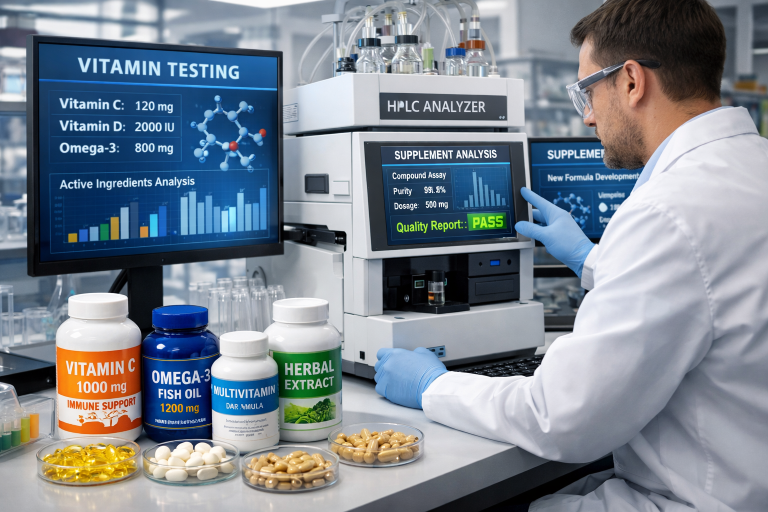
Transparency is paramount in today’s supplement industry. A significant percentage of buyers, as reported in various global consumer surveys, want comprehensive labeling and more information about ingredient origins. In response, many manufacturers are boosting their quality assurance efforts by employing dedicated toxicologists and implementing strict contaminant controls. Enhanced traceability measures and open disclosure about sourcing not only foster consumer confidence but also set new benchmarks for industry accountability. Insights on transparency trends highlight the necessity for companies to openly share product formulations and test results.
Integration of Artificial Intelligence
Artificial intelligence is significantly influencing the development and manufacturing of supplement products. AI-powered systems are now used to optimize ingredient combinations, forecast market trends, and refine manufacturing techniques for improved efficiency. By leveraging data analytics and consumer insights, AI helps brands quickly adapt to shifting preferences and deliver innovative products that align with real-time health trends. This technological integration is fostering new levels of creativity and speed in supplement innovation and production.
In the context of operational excellence, AI-driven process controls are helping manufacturers maintain consistency and reduce production errors. Predictive maintenance using AI algorithms can forecast equipment failure or quality deviations before they happen, minimizing downtime and ensuring continuous product availability. Furthermore, as machine learning models become more sophisticated, they enable agile responses to market shifts and optimize inventory management, allowing for responsive adaptation to rising or waning consumer demand for specific supplement types.
Focus on Sustainable Practices
Sustainability has moved to the forefront of supplement manufacturing strategy. Brands are reducing emissions, minimizing waste, and seeking renewable materials for packaging and production. These eco-conscious initiatives not only align with growing consumer concerns about environmental impact but also contribute to the industry’s long-term resilience. Practices such as recycling production byproducts, switching to solar or wind-powered facilities, and using biodegradable packaging materials are quickly becoming industry norms, ensuring that supplement manufacturers can support both health and the environment.
Industry leaders are also partnering with local and global sustainability organizations to benchmark their progress and strive for third-party environmental certifications. Efforts to source botanicals and other raw materials from sustainable agriculture are increasing, often with a focus on fair-trade agreements that benefit both producers and the environment. As consumer scrutiny of green claims intensifies, transparent reporting on sustainability metrics and lifecycle assessments is poised to become a hallmark of reputable supplement brands.
Conclusion
Nutritional supplement manufacturing is underpinned by innovation, adaptability, and a re-commitment to quality and transparency. As consumers and regulatory bodies push for higher standards, industry leaders are embracing new technologies, personalizing products, and operating with greater transparency than ever before. By prioritizing advances in science, sustainability, and consumer trust, manufacturers are well-equipped to meet the complex needs of today’s rapidly evolving health supplement market.