Design a backyard that lives as good as it looks—smart zones, durable materials, modern features, cozy lighting, and low-fuss landscaping that fits your style.
A backyard can do more than sit there and wait for summer weekends. With a smart layout and a few intentional style choices, it can feel like an extension of your home—one that works for quiet coffee mornings, loud family dinners, and everything in between. The trick comes from designing with purpose first, then layering in personality. When you balance flow, comfort, and durability, you get a space that looks polished and lives even better. Here’s how to design a functional yet stylish backyard.
Start With How You Actually Live Outside
Before you pick pavers or paint colors, picture a normal week. Do you grill twice a week or only on holidays? Do kids treat the yard like a sports field? Do you want a reading nook, a dining zone, and a place for friends to gather after dark?
Sketch the backyard in simple shapes and mark where you naturally walk. Note doorways, steps, and any tight corners that force awkward traffic. Then decide what matters most. Many backyards try to do everything and end up doing nothing well. A better plan gives two or three activities the best real estate and lets everything else support them.
Also, pay attention to what you can see from inside. When the view looks intentional, the backyard feels complete even when no one steps outside. Place the strongest visual element where it reads from a kitchen window or patio door.
Design the Flow Like a Floor Plan
Think of outdoor space in rooms, not random features. A functional backyard needs clear paths and distinct zones so people don’t weave through furniture or step over landscaping to get anywhere.
Start with a primary pathway from the house to the main gathering area. Make it wide enough for two people to walk side by side. If you host often, add a secondary route that connects dining, grilling, and trash or compost access without cutting through seating.
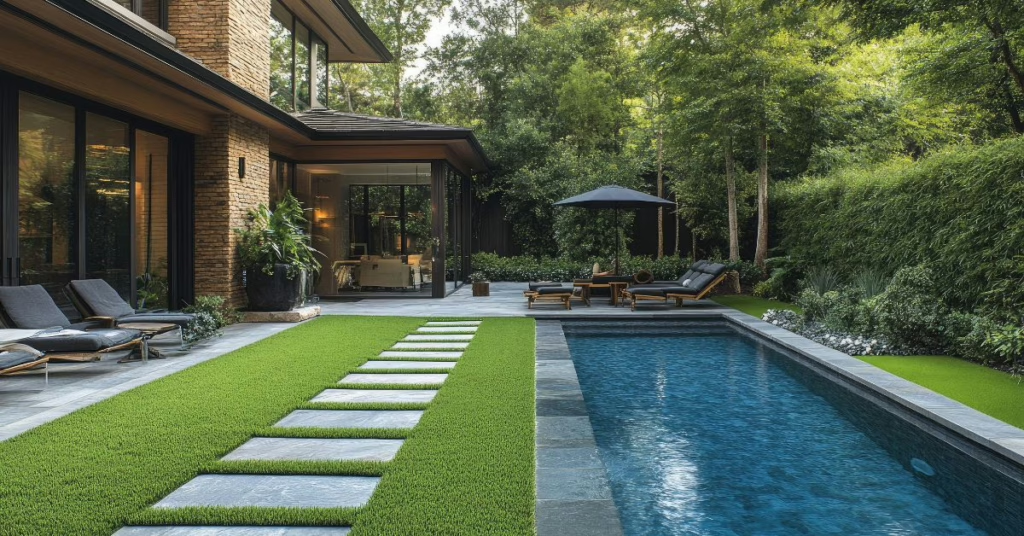
Use hardscape to define the backbone. Patios, decks, and stepping-stone routes create structure and reduce muddy wear spots. When you separate zones with a low planter wall, a change in paving pattern, or a row of tall pots, the space feels designed rather than cluttered.
Choose One Anchor Feature
Every stylish backyard needs a focal point. Pick one anchor feature that suits your lifestyle, then build the layout around it. A fire pit works for relaxed evenings and shoulder-season hangouts. A pergola can frame dining and create instant architecture. A compact plunge pool can transform a small yard into a resort. A statement tree or sculptural plant can act as living art.
Once you commit to the anchor, place supporting elements so they feel intentional. Angle seating toward the fire pit, not toward the grill. Put the grill where the smoke won’t drift into the conversation. Position a water feature far enough from the dining so it doesn’t compete with voices, but close enough to bring calm sound into the background.
Blend Style With Durable Materials
Outdoor style only looks good if it lasts. Sun, rain, and freeze-thaw cycles punish the wrong choices. For hardscape, lean on materials that age gracefully: concrete pavers, natural stone, brick, or composite decking. Match the material to your climate and your tolerance for upkeep.
For furniture, prioritize comfort and longevity. Powder-coated aluminum resists rust and feels modern. Teak weathers beautifully and reads warm and classic. All-weather wicker can look soft and inviting, but only if the weave and frame hold up. Choose cushions with outdoor-rated fabric, and keep a storage plan so you don’t play musical chairs every time the forecast changes.
Color sets the mood fast. Neutrals create a clean base. Deep greens, charcoals, terracotta, and navy add depth without feeling trendy in six months. If you want bold accents, use pillows, planters, and small accessories so you can swap them easily.
Add Shade and Privacy
A backyard needs relief from the sun and a sense of separation from neighbors, but it should still feel airy. Shade creates comfort and also makes a space look layered and intentional.
Pergolas work well when you want structure, especially when you add a slatted roof, retractable canopy, or climbing vines. Shade sails can look sleek and contemporary, particularly in angular yards. Large umbrellas offer flexibility and work nicely near dining or lounge seating.
For privacy, combine strategies. A fence alone can feel stark, but a fence softened with tall grasses, trellises, or espaliered shrubs reads refined. Hedges can feel lush, but they take time to fill in. In the meantime, use planters with fast-growing screening plants, then transition to permanent landscaping over time.
Use Lighting To Set the Mood
Lighting can make a backyard feel magical or harsh, depending on your approach. Use layers. Start with practical light for paths and steps. Add warm ambient light for gathering areas. Then highlight a few features to create depth.
Low-voltage path lights help guests move confidently. String lights add instant charm and flatter everyone. Wall sconces or downlights can add a polished, architectural touch near doors and patios. Uplighting trees or tall plants creates drama and makes the yard feel larger at night.
If you want a clean, contemporary look, tuck lighting under benches, along steps, or beneath planter edges. Hidden sources feel high-end and keep glare low.
Build Modern With Purpose
A modern backyard doesn’t need to look sterile. Modern design works best when it blends clean lines with warmth and texture. That’s where features for modern outdoor spaces shine: integrated seating, linear planters, minimal railing systems, and smart storage that disappears into the design.
Consider a built-in bench along a retaining wall, paired with a slim fire table. Add a compact outdoor kitchen with a durable countertop and a pull-out trash bin. Use oversized pavers with narrow joints for a crisp look. Mix in wood tones through decking, screens, or furniture to keep the space inviting.
Tech can support comfort, too. Discreet outdoor speakers, dimmable lighting, and a weather-rated ceiling fan under a covered patio can elevate the experience without shouting for attention.
Low-Maintenance Landscaping
Plants pull everything together, but they should match your schedule. Start with structure: a few shrubs or small trees that anchor the space year-round. Then add mid-level plants for fullness and seasonal interest. Finish with groundcovers or ornamental grasses to soften edges and reduce weeds.
Choose plants that fit the light conditions you actually have. A sunny plant will sulk in shade, and shade plants can scorch in full sun. If you want a cohesive look, repeat the same plant varieties in different areas. Repetition creates rhythm and makes a yard feel professionally designed.
Mulch and edging can tidy the whole space in a single afternoon. Clean lines between the lawn and beds instantly make the yard look sharper. If you hate mowing, shrink the lawn and expand planted areas or hardscape. A smaller, healthier lawn beats a big patchy one every time.
Plan for Comfort
Comfort comes from details people feel more than they notice. Add a water feature or rustling grasses if you want a gentle sound that masks street noise. Place seating so the sun and wind don’t punish guests. If your yard bakes in late afternoon, position the lounge zone where shade hits when you need it most.
Add surfaces where hands naturally land. Side tables, drink ledges, and serving stations prevent clutter and reduce awkward balancing acts. Think about bugs, too. A fan, citronella-style candles that match your décor, and smart planting choices can make evenings more pleasant.
Storage matters more than most designs admit. Use a deck box that matches the furniture, a slim shed with modern lines, or built-in cabinetry on a covered patio. When everything has a place, the yard stays inviting.
An Effortless Looking Backyard
A functional yet stylish backyard doesn’t come from one perfect purchase. It comes from a layout that fits real life, materials that hold up, and design choices that feel cohesive from every angle. When you create clear zones, anchor the space with one strong feature, and layer comfort through shade and lighting, the yard starts to feel like part of the home instead of an afterthought. Make it easy to use, make it pleasant to look at, and you’ll find yourself stepping outside more often—because the best backyard doesn’t just impress guests, it fits the way you live.