Common woodworking mistakes can slow your progress and affect project quality. Learn tips to improve accuracy, safety, tool care, and woodworking skills.
Many people jump into woodworking because they want to build useful projects, save money, or enjoy a creative hobby. The excitement often leads beginners to buy tools and start cutting wood right away. While enthusiasm helps, small mistakes can quickly turn a fun project into a frustrating experience. Learning what to avoid from the beginning helps you improve faster, protect your tools, and produce better results. By recognizing the most common woodworking mistakes, you can build confidence, develop stronger skills, and enjoy the process from your very first project.
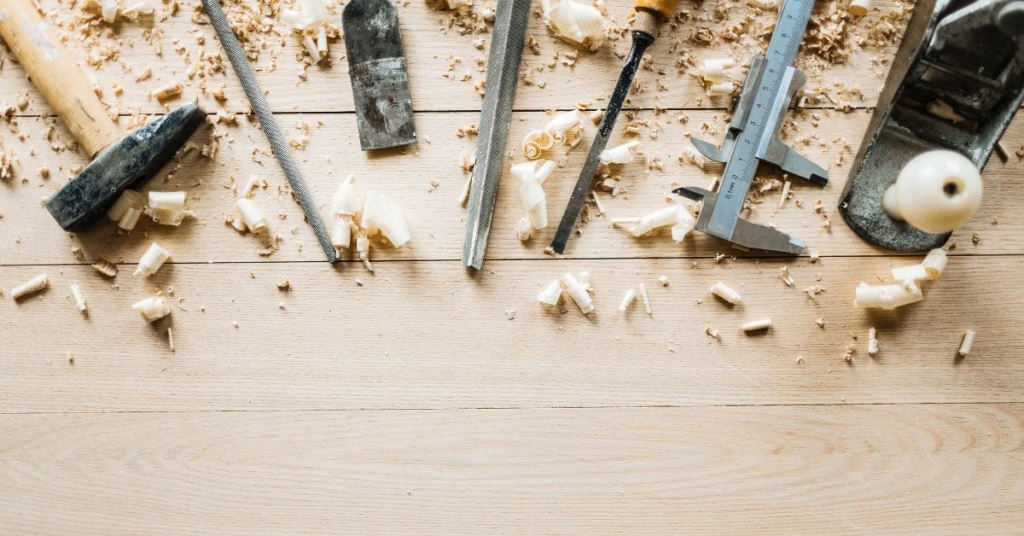
Buying Too Many Tools Too Soon
One of the biggest mistakes beginners make involves purchasing every tool they see. Woodworking magazines, videos, and social media often showcase impressive workshops filled with expensive equipment. New woodworkers sometimes believe they need the same collection before they can build anything worthwhile.
Instead, focus on a few quality tools that match your current projects. A reliable measuring tape, combination square, circular saw, drill, clamps, and sander can complete many beginner projects. As your experience grows, you can expand your collection based on actual needs rather than impulse purchases.
Quality usually beats quantity. A few dependable tools will serve you better than a workshop full of inexpensive tools that produce inconsistent results.
Ignoring Safety Basics
Safety should always come before speed. Many beginners underestimate the risks because woodworking looks straightforward in online tutorials. However, every tool deserves respect.
Wear safety glasses whenever you cut, drill, or sand wood. Use hearing protection around loud power tools. A dust mask or respirator helps protect your lungs during sanding and cutting.
Keep your workspace clean and organized. Remove clutter from walkways, secure loose cords, and store sharp tools properly. Taking a few extra minutes to prepare your workspace reduces distractions and helps prevent accidents.
Never rush through a cut because you feel impatient. Careful preparation almost always produces better results.
Skipping Accurate Measurements
The old saying “measure twice, cut once” remains popular for a good reason. Beginners often measure quickly, make assumptions, and discover mistakes after cutting expensive lumber.
Take your time with every measurement. Double-check dimensions before making each cut. Mark your cut lines clearly with a sharp pencil or marking knife. Verify that your measuring tape stays straight and your square remains flush against the edge of the board.
Small measuring errors can multiply throughout an entire project. Careful measuring creates parts that fit together properly and reduces wasted material.
Choosing the Wrong Type of Wood
Not every board works well for every project. Beginners sometimes choose lumber based only on price or appearance without considering durability, grain, or moisture content.
Softwoods like pine work well for many beginner projects because they cut easily and cost less. Hardwoods such as oak, maple, and walnut offer greater durability but often require more effort and sharper tools.
Check every board before buying it. Look for twists, bows, cracks, and knots that could create problems later. Straight lumber makes construction much easier and improves the final appearance of your project.
Forgetting to Prepare the Workspace
An organized workspace saves time and reduces frustration. Many beginners spread tools across every available surface and waste valuable time searching for equipment.
Before starting a project, gather everything you need. Make sure your workbench feels stable. Make sure you have enough lighting to see layout lines clearly. Keep frequently used tools within easy reach.
A well-prepared workspace also supports better accuracy. When you eliminate distractions, you can focus completely on each task.
Here are a few simple habits that improve almost every woodworking session:
- Keep measuring tools in one dedicated location.
- Sweep away sawdust regularly.
- Return tools after each use.
- Check that extension cords stay out of your path.
- Organize hardware in labeled containers.
These habits require little effort but create a much smoother workflow.
Rushing Through Every Step
Excitement often causes beginners to move too quickly. They skip planning, ignore instructions, and hurry through important details just to finish faster.
Woodworking rewards patience. Allow glue enough time to cure before removing clamps. Sand each surface thoroughly instead of stopping early. Test the fit of every joint before applying glue.
Slowing down often saves time because you avoid mistakes that require repairs later. Every completed project teaches valuable lessons, so treat each step as an opportunity to improve your skills.
Neglecting Tool Maintenance
Even the best tools perform poorly without regular maintenance. Beginners sometimes blame themselves for rough cuts when dull blades actually cause the problem.
Keep saw blades clean and sharp. Empty dust collection systems regularly. Lubricate moving parts according to the manufacturer’s recommendations. Check power cords for damage before every use.
Pay close attention to blade condition in order to avoid burn marks from your saw. Sharp blades cut more efficiently, reduce friction, and produce cleaner edges with less effort.
Simple maintenance extends tool life while improving safety and project quality.
Using the Wrong Fasteners
Many new woodworkers choose screws or nails without considering the material or joint design. The wrong fastener can weaken a project or split the wood.
Select screws designed for woodworking whenever possible. Drill pilot holes before driving screws into hardwoods or near board edges. Choose fasteners that provide enough strength without extending through the opposite side of the material.
Wood glue also plays an important role. Many joints become much stronger when glue and screws work together instead of relying on hardware alone.
Understanding how different fasteners perform helps you create projects that last for years.
Skipping Sanding or Rushing the Finish
Beginners often become excited once the project comes together, so they rush directly to painting or staining. Unfortunately, poor surface preparation becomes obvious after applying the finish.
Sand every surface gradually using progressively finer grits. Remove scratches before moving to the next grit. Wipe away dust completely before applying stain, paint, or clear finish.
Test your chosen finish on scrap wood first. Different wood species absorb stain differently, and testing helps prevent unpleasant surprises.
A careful finishing process highlights your craftsmanship and gives every project a professional appearance.
Building Projects Beyond Your Skill Level
Ambition can motivate learning, but unrealistic expectations often create disappointment. Some beginners attempt highly complex furniture before mastering basic techniques.
Start with projects that teach essential skills. Build shelves, cutting boards, simple boxes, or small tables before tackling cabinets or intricate joinery.
Each completed project strengthens your confidence while introducing new techniques at a comfortable pace. You will make steady progress without feeling overwhelmed.
Remember that every experienced woodworker started with simple projects and gradually expanded their abilities over time.
Learning Without Practicing
Watching videos and reading articles provide valuable knowledge, but woodworking remains a hands-on skill. Some beginners spend weeks researching while avoiding actual practice.
Cut scrap wood, experiment with joints, and practice making straight cuts before starting expensive projects. Mistakes on inexpensive materials provide valuable experience without creating unnecessary stress.
Keep notes about techniques that worked well and challenges you encountered. Reviewing those lessons before your next project helps you continue improving.
Consistent practice builds muscle memory, increases confidence, and develops problem-solving skills that no tutorial can fully replace.
Getting Started Correctly
Every beginner makes mistakes, but each mistake creates an opportunity to learn. Smart tool purchases, accurate measurements, proper safety habits, regular tool maintenance, and patient craftsmanship all contribute to better woodworking experiences. Focus on steady improvement instead of perfection, and choose projects that match your current skill level. As you build experience one project at a time, you will create stronger, cleaner, and more satisfying work while enjoying the rewarding process that makes woodworking such a lasting hobby.