Prepare for a long-distance journey with expert advice on planning, safety, budgeting, vehicle readiness, and cultural awareness across varied regions.
Overland travel from Canada to Central America offers a rare chance to see vast landscapes, cultures, and climates in one trip. This route crosses borders and ecosystems that demand careful thought and steady preparation before any departure date. A clear plan and a reliable vehicle will shape a safe and rewarding journey across regions.
Many travelers seek freedom and flexibility, yet this path also presents legal and mechanical challenges that require attention at every stage. Road conditions and border rules can change without notice, so each traveler must stay alert and adaptable. With proper knowledge and thoughtful preparation, overland travel can become a deeply enriching experience that connects people with diverse communities.
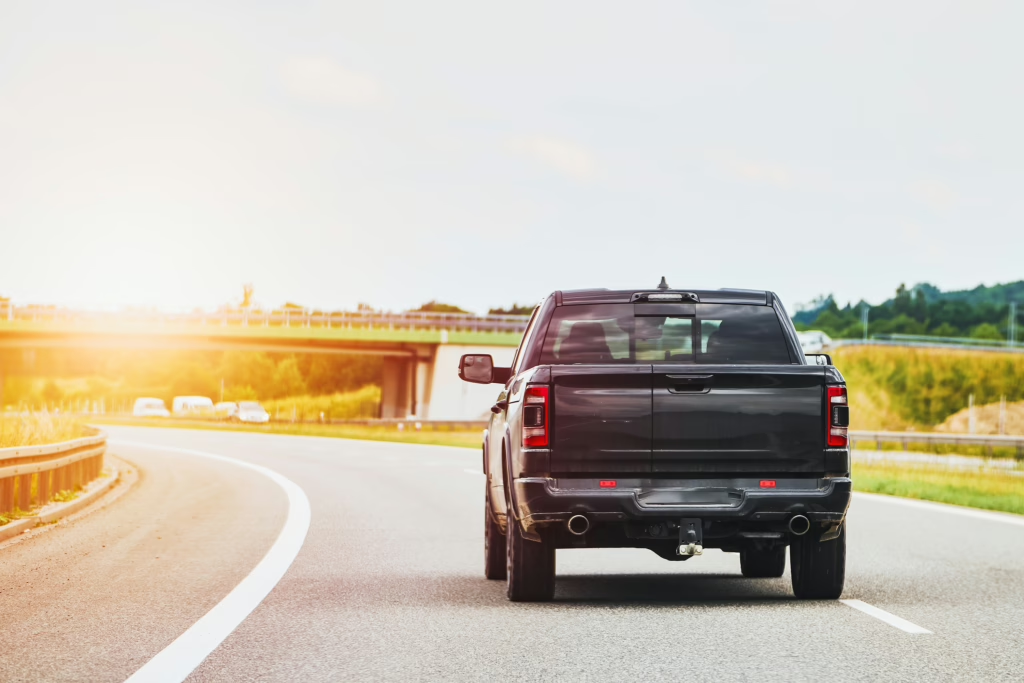
Route Planning Across Diverse Regions
A successful overland journey begins with a well-researched route that accounts for terrain changes, border crossings, and seasonal weather patterns. Travelers must study maps and regional advisories to avoid unsafe areas and ensure smooth travel between destinations. Clear route planning helps reduce uncertainty and allows for better fuel management and rest stops across long distances.
Each country along the route presents unique road conditions, from paved highways to rough rural tracks that require patience and skill. Drivers must prepare for delays caused by construction, checkpoints, or unexpected detours that may alter travel timelines significantly. A flexible schedule allows travelers to adapt plans without stress while still maintaining overall direction toward Central America.
Vehicle Preparation and Reliability
A dependable vehicle serves as the foundation for any long-distance overland journey across varied terrain and unpredictable environments. Travelers should inspect engine systems, tires, brakes, and suspension to ensure all components perform well under extended use. Preventative maintenance reduces the risk of breakdowns that could lead to costly delays or unsafe situations in remote areas.
Spare parts and basic repair knowledge can make a significant difference when mechanical issues arise far from service centers. Drivers must understand their vehicle limits and avoid excessive strain that could damage critical systems during the journey. Regular inspections throughout the trip help maintain performance and extend the lifespan of essential vehicle components.
Border Crossings and Documentation
International travel across multiple countries requires careful attention to documentation and legal requirements for travelers and vehicles. Passports, visas, and temporary import permits must remain valid and accessible at each border crossing to prevent delays. Travelers should research entry requirements for each country well in advance to avoid complications during transit.
Border procedures can vary widely, with some crossings requiring multiple steps that involve inspections, fees, and paperwork verification. Patience and organization help streamline the process and reduce stress when dealing with unfamiliar systems and languages. Keeping copies of documents and receipts ensures quick access if officials request verification during travel.
Budget Planning and Financial Readiness
A realistic budget helps travelers manage expenses such as fuel, lodging, food, and border fees throughout the entire overland journey. Costs can vary significantly between countries, so travelers must account for currency exchange rates and regional price differences. Financial preparation ensures that unexpected expenses do not disrupt travel plans or create unnecessary stress.
Access to funds through cards, cash, and secure storage methods remains essential for convenience and safety during the trip. Travelers should notify financial institutions about international travel to prevent issues with card usage across different regions. A balanced budget allows for flexibility while still maintaining control over overall travel expenses.
Safety Awareness and Risk Management
Personal safety remains a top priority for anyone traveling long distances through unfamiliar regions with varying security conditions and local challenges. Travelers should stay informed about regional advisories and avoid areas known for crime or instability during their route. Awareness of surroundings and cautious decision-making help reduce risks and promote a safer travel experience.
Simple precautions such as secure parking, discreet behavior, and limited display of valuables can deter unwanted attention during stops or overnight stays. Communication tools and emergency contacts provide additional support in case of unexpected situations or urgent needs. A proactive approach to safety helps ensure a smooth and secure journey across borders.
Camping, Lodging, and Daily Living
Overland travel often involves a mix of camping, roadside stops, and occasional lodging, depending on route conditions and personal preferences. Travelers must plan for safe overnight locations that provide security and access to basic facilities when needed. Reliable gear and thoughtful organization support efficient daily routines throughout the journey.
Access to water, food storage, and sanitation plays a significant role in maintaining health and comfort during extended travel periods. Travelers should prepare meals carefully and manage supplies to avoid shortages in remote areas with limited resources. A structured daily routine helps maintain balance and supports overall well-being on the road.
Communication and Navigation Tools
Reliable communication tools help travelers stay connected and informed while navigating remote areas with limited infrastructure and service availability. GPS devices, offline maps, and local SIM cards provide essential support for navigation and emergency communication needs. Prepared travelers maintain access to information even when traditional networks are unavailable.
Navigation requires attention to detail, as road signs and directions may vary between regions and languages throughout the journey. Travelers should verify routes regularly and adjust plans based on current conditions or new information encountered along the way. Effective communication and navigation tools enhance confidence and reduce uncertainty during travel.
Equipment Choices and Vehicle Modifications
Vehicle modifications and equipment choices can improve comfort and functionality during long-distance travel across diverse terrain and varying climates. Learning about the pros and cons of adding a bed cap to your pickup truck will help you make informed decisions about storage, protection, and overall vehicle utility. Thoughtful upgrades support efficiency without adding unnecessary weight or complexity to the vehicle.
Travelers must balance convenience with practicality when selecting gear, ensuring that each addition serves a clear purpose during the journey. Overloading a vehicle can reduce performance and increase fuel consumption, so careful planning remains essential. Strategic equipment choices contribute to a smoother and more enjoyable overland experience.
Health, Insurance, and Emergency Preparedness
Health preparation includes vaccinations, travel insurance, and access to medical supplies that support well-being throughout the journey across multiple countries. Travelers should carry essential medications and understand how to access healthcare services in each region along their route. Insurance coverage provides financial protection in case of accidents or medical emergencies during travel.
Emergency preparedness also involves planning for unexpected situations such as vehicle breakdowns or sudden changes in travel conditions. Travelers should maintain emergency kits and establish communication plans to ensure support when needed. A proactive approach to health and safety strengthens confidence and resilience during the journey.
Overland travel from Canada to Central America offers a unique opportunity to explore diverse landscapes, cultures, and experiences across a vast geographic range. This journey requires thoughtful preparation, adaptability, and respect for people and environments encountered along the way. With careful planning and a clear understanding of potential challenges, travelers can navigate this route with confidence and purpose.
Each aspect of the journey, from vehicle readiness to cultural awareness, contributes to a successful and rewarding experience across international borders. Travelers who approach this adventure with patience, responsibility, and curiosity will gain valuable insights and lasting memories.