Discover how casement windows enhance home ventilation with superior airflow, energy efficiency, and natural cooling compared to other window types.
Poor ventilation can turn your home into a stuffy, uncomfortable space where stagnant air lingers and fresh breezes seem impossible to capture. Many homeowners struggle with inadequate airflow, especially during those sweltering summer months when every window appears to provide minimal relief. The solution might be simpler than you think.
Casement windows offer a game-changing approach to home ventilation that goes far beyond what traditional window styles can deliver. These side-hinged windows open outward like doors, creating unique airflow patterns that can dramatically improve your indoor air quality and comfort levels. Understanding how casement windows work and why they improve home ventilation can help you make informed decisions about your home’s window replacements or upgrades.
Understanding Casement Windows
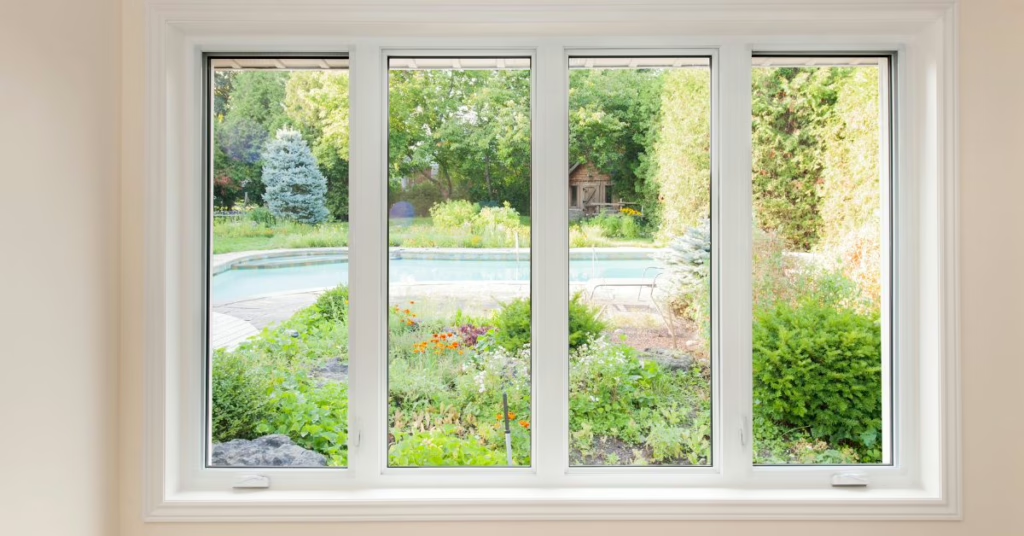
Casement windows feature a simple yet effective design that sets them apart from other window types. A hinge system along one vertical edge allows the entire window sash to swing outward, typically operated by a hand crank mechanism. This outward-opening design creates a clear, unobstructed opening that maximizes the available space for air to flow through.
The construction of casement windows also contributes to their ventilation capabilities. When closed, these windows compress against weatherstripping, creating an airtight seal that prevents unwanted drafts during colder months. When opened, however, they provide complete access to the window opening, unlike sliding windows that can only open halfway.
Most casement windows can open to a full 90-degree angle, though some models allow for even wider opening angles. This flexibility gives homeowners precise control over ventilation levels, from a slight crack for gentle airflow to a wide-open position for maximum ventilation.
How Casement Windows Enhance Airflow
The magic of casement windows lies in their ability to catch and direct natural breezes into your home. When opened, the window sash acts like a funnel, scooping air from outside and channeling it indoors. This effect works particularly well when the window opens toward the prevailing wind direction in your area.
Cross-Ventilation
Casement windows excel at creating cross-ventilation when strategically placed on opposite sides of a room or home. The outward-opening design allows them to capture breezes from multiple angles, directing fresh air through living spaces while pushing stale air out through other openings. This natural air circulation pattern can significantly reduce indoor temperatures and improve air quality without relying on mechanical ventilation systems.
Unobstructed Opening
The unobstructed opening also means that casement windows can capture light breezes that other window types might miss. Even minimal outdoor air movement can create noticeable indoor airflow when funneled through a properly positioned casement window. This sensitivity to gentle breezes makes them particularly valuable in areas where wind patterns are subtle or variable.
Comparing Casement Windows
Double-hung windows, while popular and classic in appearance, can only open to expose half of their total area at any given time. This limitation significantly reduces their ventilation capacity compared to casement windows. Additionally, the sliding mechanism in double-hung windows can create air resistance that impedes smooth airflow.
Sliding windows face similar constraints, opening to reveal only half of their surface area. The horizontal tracks and frame elements also create obstacles that can disrupt airflow patterns and reduce overall ventilation efficiency. While these window types certainly provide ventilation, they cannot match the unrestricted airflow that casement windows deliver.
Single-hung windows offer even less ventilation capacity than their double-hung counterparts, as only the bottom sash moves. This design severely limits both the opening size and the positioning options for optimal airflow. Awning windows, which hinge at the top and open outward from the bottom, can provide good ventilation but don’t offer the same wind-catching capability as casement windows.
Maximizing Ventilation
Strategic placement plays a crucial role in maximizing the ventilation benefits of casement windows. Installing them on walls that face prevailing winds allows the windows to capture natural breezes most effectively. Corner installations can be particularly beneficial, as they allow windows to catch winds from multiple directions throughout the day.
The height at which you install casement windows also affects their ventilation performance. Windows positioned higher on walls can capture breezes that pass over obstacles like fences, shrubs, or neighboring structures. However, lower windows provide easier operation and can capture ground-level air movement that occurs in landscaped areas.
Creating a ventilation system with multiple casement windows requires thoughtful planning. Positioning intake windows on the windward side of your home and exhaust windows on the leeward side creates a natural pressure differential that drives air movement through interior spaces. This approach can effectively ventilate entire floors or sections of your home using only natural forces.
Room layout and furniture placement can either enhance or hinder the effectiveness of casement window ventilation. Keeping the areas around windows relatively clear allows air to flow freely into rooms and circulate throughout the space. Strategic placement of interior elements can help direct airflow toward specific areas where cooling or air circulation is most needed.
Energy Efficiency
The ventilation capabilities of casement windows contribute significantly to their energy efficiency credentials. During moderate weather conditions, effective natural ventilation can reduce or eliminate the need for mechanical cooling systems. This reduction in HVAC usage translates directly into lower energy bills and reduced environmental impact.
Casement windows have become popular among homeowners seeking sustainable cooling solutions that don’t rely on electricity. The ability to create comfortable indoor conditions using only natural airflow appeals to environmentally conscious individuals and those looking to reduce their utility costs.
The tight seal that casement windows create when closed also contributes to energy efficiency during heating and cooling seasons. The compression seal design eliminates air leaks that can waste energy and create uncomfortable drafts. This dual capability makes casement windows a versatile choice for year-round comfort and efficiency.
Modern casement windows often feature advanced glazing options and frame materials that further enhance their energy performance. Low-E coatings, multiple glass panes, and thermally broken frames can provide excellent insulation properties while maintaining the superior ventilation characteristics that make these windows attractive to homeowners.
Breathing Easy
Transforming your home’s ventilation doesn’t require complex mechanical systems or expensive renovations. Casement windows offer a straightforward solution that harnesses natural forces to create comfortable, well-ventilated living spaces. Their unique design advantages—from wind-catching capabilities to unobstructed openings—make them superior choices for homeowners prioritizing air quality and natural cooling.
The investment in quality casement windows pays dividends through improved comfort, reduced energy costs, and better indoor air quality. Whether you’re building a new home or upgrading existing windows, considering the ventilation performance of different window types can help you create spaces that breathe naturally and feel comfortable throughout the year.