Protect your outdoor kitchen from sun, rain, wind, and debris with smart design ideas that keep the space comfortable, stylish, and ready to use year-round.
An outdoor kitchen can turn a backyard into the best spot at home. It gives you a place to cook, gather, and enjoy fresh air without feeling cut off from everyone else. On mild days, that setup feels effortless. On windy, wet, or blazing-hot days, though, the experience can change quickly. A little rain can hit prep surfaces, strong sun can overheat appliances, and blowing debris can leave you cleaning more than cooking.
That’s why smart weather protection matters so much for outdoor kitchens. A well-planned outdoor kitchen doesn’t just look good on a perfect summer afternoon. It works in changing conditions and stays comfortable through more of the year. The goal isn’t to fight the weather. The goal is to work with it, protect your investment, and make the space easier to enjoy whenever you want to use it.
The good news is that weather protection doesn’t have to make the area feel closed off or complicated. With the right features, your outdoor kitchen can stay open, welcoming, and ready for real life.
Start With the Layout
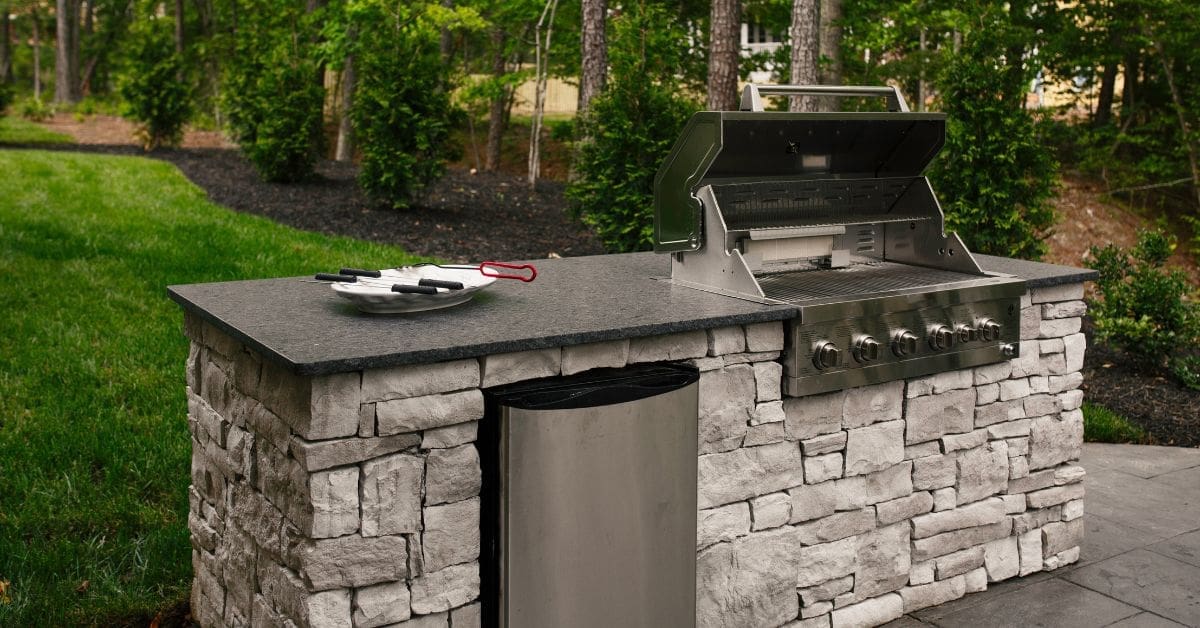
Good weather protection starts with the layout. Before you consider covers, screens, or storage, take a close look at how the kitchen sits in the yard. Wind direction, sun exposure, nearby trees, and drainage all shape how the space performs.
A grill station in a fully exposed corner may take the brunt of rain and gusts. A prep counter under partial cover may stay cleaner and cooler. Even a slight change in orientation can help block harsh afternoon sun or reduce the amount of water that reaches cabinets and appliances.
It also helps to think in zones. Cooking, prep, dining, and lounging each have different weather needs. Your grill and counters may need overhead protection. Seating may need shade and airflow. Storage may need tighter protection from moisture and debris. When you plan each zone with purpose, the whole space feels more usable and far less vulnerable.
Cover the Space Without Closing It In
One of the smartest ways to protect an outdoor kitchen is to provide overhead coverage. A pergola, patio cover, or roof extension can shield the area from direct sun and light rain while keeping the space open and inviting. That kind of structure also creates a sense of definition, which makes the outdoor kitchen feel like a real extension of the home.
The key is choosing coverage that fits how you cook and entertain. A solid roof offers the most protection, especially in areas with frequent rain or intense sun. A pergola provides partial shade and a lighter look, which works well if you want an airy feel. Some homeowners prefer adjustable louvers because they allow control over sun and ventilation throughout the day.
No matter which option you choose, balance matters. You want protection, but you also want airflow. Outdoor kitchens need ventilation, especially around grills and heat-producing appliances. A covered space should feel comfortable, not trapped.
Add Flexible Barriers
Weather doesn’t always come from above. Wind-driven rain, dust, leaves, and harsh side sun can all make an outdoor kitchen harder to use. That’s where flexible barriers can make a big difference. These features give you more control without forcing the space into a permanent enclosure.
Screens, retractable panels, and weather-resistant shades can block problem areas while still letting the kitchen breathe. They help on bright afternoons when the sun hits one side of the space for hours. They also help when a breeze turns into a steady gust that sends napkins flying and cools food too quickly.
In some setups, rolling shutters can enhance your outdoor kitchen by adding another layer of protection when the space isn’t in use. They can shield cabinetry, counters, and appliances from wind, rain, and debris while giving the whole kitchen a cleaner, more secure look. That kind of feature works especially well if you want protection that feels built in rather than improvised.
Choose Materials That Can Handle the Weather
Outdoor kitchens look better and last longer when the materials match the environment. This sounds obvious, but many outdoor spaces run into trouble because they use finishes that look great on day one but struggle after a season of sun, rain, and temperature swings.
Stainless steel remains a popular choice for appliances and some cabinetry because it withstands outdoor exposure and cleans up easily. Stone, concrete, and tile also work well for counters and surrounding surfaces when properly installed. These materials hold up under heavy use and don’t require constant fussing.
Wood can still have a place in an outdoor kitchen, but it needs the right finish and ongoing maintenance. If you love the warmth of wood, use it thoughtfully and keep it away from areas with the most direct weather exposure. Fabrics matter, too. Cushions, covers, and shade elements should resist moisture, fading, and mildew.
Protect the Appliances
Outdoor kitchen appliances cost real money, so they deserve more than casual protection. Grills, refrigerators, ice makers, and storage drawers face stress from moisture, dust, temperature fluctuations, and direct sun. Even if they’re rated for outdoor use, smart protection helps them perform better and last longer.
Covers help, but they work best as part of a broader plan. A grill cover thrown over a damp appliance can trap moisture if the unit hasn’t cooled or dried properly. Built-in protection, shade, and good airflow usually do more for longevity than covers alone. It also helps to place appliances where they aren’t in constant direct exposure.
Storage matters here as well. Outdoor kitchen tools, serving pieces, and small accessories should have a dry place to live. Sealed cabinetry can reduce exposure to humidity and debris while keeping everything close at hand. When your tools stay protected, setup gets easier, and cleanup feels less chaotic.
It’s also smart to think seasonally. If you know a stretch of rough weather is coming, take a few extra minutes to clean surfaces, cover vulnerable areas, and check for standing water. Small habits can prevent bigger headaches later.
Plan for Heat and Sun
Rain often gets the most attention, but heat and sun can cause just as many problems in an outdoor kitchen. Direct sunlight can make counters too hot to touch, warm up refrigerated storage, and create an uncomfortable cooking environment. Nobody wants to stand over a hot grill while the sun beats down for hours.
Shade solutions help immediately, but placement matters just as much. If possible, orient the kitchen so the cooking zone gets some relief during the hottest part of the day. A covered prep area can also make a huge difference. Even a little shade over the main work surface can improve comfort and food handling.
Lighter finishes can help reduce heat absorption on counters and nearby surfaces. Ventilation also matters. Open-sided designs, ceiling fans, and thoughtful spacing keep hot air moving. The result feels more pleasant and more practical, especially during peak summer months.
Don’t Ignore Water Management
If water has nowhere to go, it becomes a problem fast. It can stain surfaces, damage cabinetry, create slippery flooring, and leave you with a soggy mess after every storm. Good water management protects both the kitchen and the people using it.
Drainage starts with the ground plane. The surface around the kitchen should direct water away from the structure rather than letting it pool around cabinets or appliances. Roofing and overhead structures should also move water intentionally, whether through gutters, slope, or built-in drainage features.
Countertops also need attention. A surface that holds water will show wear faster than one designed to shed it. Tight seams, quality installation, and the right materials all help keep water from sneaking into places it shouldn’t go.
Make It Easy to Use Year-Round
Smart weather protection should support how you live, not turn every outdoor meal into a setup routine. The best outdoor kitchens feel ready when you are. You don’t want to drag out half a dozen temporary fixes every time clouds roll in or temperatures climb.
That’s why convenience matters so much. Retractable shade, secure storage, built-in barriers, and durable finishes all help the space stay usable with less effort. Add a little task lighting, a fan, or a nearby heater, and the season stretches even further. You’ll spend less time reacting to the forecast and more time enjoying the space.
A protected outdoor kitchen also feels calmer. You know the surfaces will be clean enough to prep on. You know the seating area will feel comfortable. You know the appliances won’t take a beating every time the weather shifts. That peace of mind adds a lot to the experience.
A Backyard Space That Works Harder
An outdoor kitchen should feel fun, not fragile. It should welcome laid-back dinners, weekend cookouts, and everyday meals without making you worry about every gust of wind or passing storm. Using the right smart weather protection for your outdoor kitchen will make that possible. It helps the space remain attractive, functional, and comfortable through changing conditions and seasons.
The best part is that protective features don’t have to take away from the charm of outdoor living. When you plan carefully, they blend right into the design and make the whole kitchen work better. You get a space that looks polished, feels inviting, and holds up to real use.
That’s the kind of outdoor kitchen worth building. It doesn’t just shine on perfect days. It shows up for the messy, hot, windy, unpredictable ones, too.